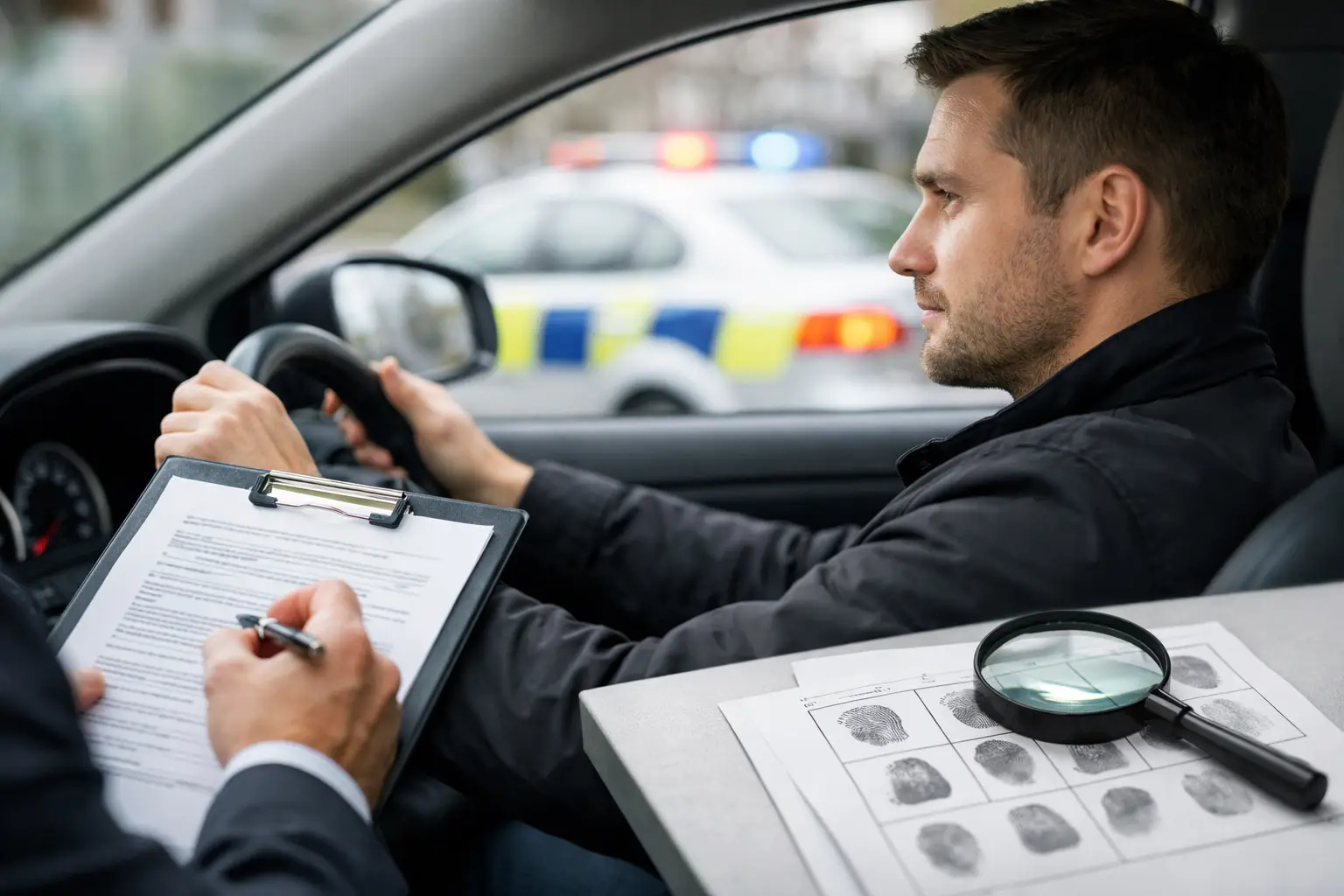
A driver may be responsible for a client’s airport arrival, a family’s cruise terminal transfer or an executive’s journey to an important meeting. That level of responsibility is why the question, is DBS screening required for drivers, has no single yes-or-no answer. It depends on the type of driving work, who is being transported and the licensing rules that apply in the local area.
For passengers, a DBS check is one useful sign that a transport provider takes safeguarding seriously. It should sit alongside proper licensing, insurance, vehicle maintenance, professional conduct and reliable operational planning.
Is DBS screening required for drivers?
DBS screening is not automatically required for every person who drives as part of their job. A delivery driver, sales representative or employee using a company car will not necessarily need a DBS check simply because they drive.
The position changes where a driver carries members of the public, particularly children or adults who may be vulnerable, or works under a taxi or private hire licence. In these settings, licensing authorities and employers use DBS checks to assess whether an individual is suitable for a role that involves close contact with passengers and a significant duty of care.
For taxi and private hire drivers in England, an Enhanced DBS check is commonly required as part of the licence application and renewal process. Local councils are responsible for licensing, so the precise process, renewal frequency and evidence required can vary. In practice, a driver should always check the policy of the council that issued, or will issue, their licence.
Taxi, private hire and chauffeur drivers
A chauffeur service can feel very different from a conventional private hire journey. The vehicle may be a luxury Mercedes or BMW, the booking may be made weeks ahead, and the passenger may be travelling to Gatwick, Southampton Cruise Terminal or a business engagement. Yet the legal position is determined by the nature of the service, not by the standard of the vehicle.
Where journeys are booked in advance for payment, private hire licensing rules will often be relevant. A licensed private hire driver is generally expected to complete an Enhanced DBS check. This level of screening provides more detail than a Basic check and is designed for roles involving trust, safety and contact with the public.
Some operators or drivers may believe that the word “chauffeur” creates an exemption from private hire requirements. It does not automatically do so. There are limited exceptions in particular circumstances, but they are fact-specific. Anyone operating a chauffeur or executive transport business should seek clear advice from the relevant licensing authority rather than relying on labels used in advertising.
For passengers, the practical question is straightforward: is your driver properly licensed for the journey, screened where required, insured and operating through a professional provider? A premium service should be clear and confident on these points.
What level of DBS check might apply?
There are different levels of DBS check, and the right one depends on the role.
A Basic DBS check shows unspent convictions and conditional cautions. It may be requested by an employer for roles where a higher-level check is not permitted, but it is not generally the benchmark expected for licensed taxi and private hire work.
A Standard DBS check includes spent and unspent convictions, cautions, reprimands and warnings, subject to filtering rules. It can only be requested for eligible occupations.
An Enhanced DBS check can include the same information as a Standard check, alongside relevant information held by local police where disclosure is considered appropriate. For eligible roles involving children or adults at risk, it may also include a check against the relevant barred lists. Taxi and private hire driver licensing usually involves an Enhanced check, although whether barred-list information is included depends on the duties and the local authority’s process.
A DBS certificate is not a permanent guarantee of suitability. It reflects information available at the point of issue. This is why councils and responsible operators may use the DBS Update Service, request periodic renewals and require drivers to report relevant changes in circumstances.
Drivers carrying children or vulnerable passengers
The safeguarding threshold is understandably higher when a driver regularly transports children, elderly passengers who need support, or adults with additional needs. School transport, care journeys and contracted local authority work can bring additional vetting requirements.
Whether a barred-list check can be requested depends on the specific duties. For example, a driver who has sole, regular responsibility for transporting children may be in a different position from a driver undertaking an occasional journey where a parent, carer or school staff member remains present. The detail matters.
Employers should not request a higher-level DBS check simply because it appears reassuring. DBS eligibility is regulated. The correct approach is to identify the actual role, confirm the legal eligibility of the check and follow the safeguarding requirements set by the commissioning organisation or local authority.
Families and organisations arranging transport should be open about passengers’ needs. That allows the provider to assign an appropriate driver and vehicle, plan the collection carefully and ensure that any relevant safeguarding procedures are followed without compromising a passenger’s dignity or privacy.
A DBS check is only one part of driver safety
A clear DBS certificate is valuable, but it does not replace the wider checks that make a journey safe, legal and dependable. A professional transport provider should have a complete approach to driver suitability.
That includes checking the driver’s entitlement to work, driving licence status, medical fitness where applicable, insurance cover, licensing conditions and customer-service standards. Drivers should understand safeguarding expectations, professional boundaries, luggage handling, passenger assistance and the importance of discretion.
Operational discipline matters too. For an airport or cruise transfer, a late vehicle can create real stress and missed connections. Monitoring travel times, allowing for traffic conditions and maintaining clear communication are not separate from safety. They are part of a service that gives passengers confidence from collection to arrival.
At 4U Travel Solutions, DBS-checked, licensed chauffeurs form part of a broader commitment to safety, comfort and punctuality for pre-booked executive travel.
What should passengers ask before booking?
For a routine journey, you do not need to conduct your own background investigation. Reputable providers should already have the appropriate processes in place. However, it is reasonable to ask whether drivers are licensed, DBS checked where applicable and insured for passenger transport.
If you are booking for a child, an older relative or someone requiring additional support, explain the circumstances when requesting a quotation. Ask whether the service has experience with the journey type and whether there are any practical arrangements you should make. Clear information helps avoid unsuitable assumptions on the day.
Corporate travel bookers may also wish to confirm that drivers are professionally presented, trained in client-facing conduct and able to deliver a discreet, reliable service. A driver’s background check matters, but so does their judgement, communication and consistency when representing your organisation to a guest or senior colleague.
Guidance for drivers and operators
Drivers should treat DBS screening as one element of professional readiness, not an administrative inconvenience. If your work requires a taxi or private hire licence, start the DBS process early. Delays can affect licence applications, renewals and the ability to accept bookings.
Keep records accurate, join the Update Service where appropriate and notify the licensing authority of changes when required. It is also sensible to review the rules if you begin undertaking different work, such as school contracts, hospital journeys or supported transport.
Operators should have written recruitment and safeguarding procedures, apply the same standard consistently and avoid placing drivers into roles for which they are not correctly vetted or licensed. Good compliance protects passengers, drivers and the reputation built through every completed journey.
For anyone booking transport, the most reassuring choice is not simply a vehicle that looks the part. It is a provider that can demonstrate care in the details: the right driver, the right credentials, a well-maintained vehicle and a journey planned with your safety and time in mind.